Maintain Even Coverage Across Your Property
Sprinkler Systems in Dartmouth for lawns with dry patches or zones that fail to activate
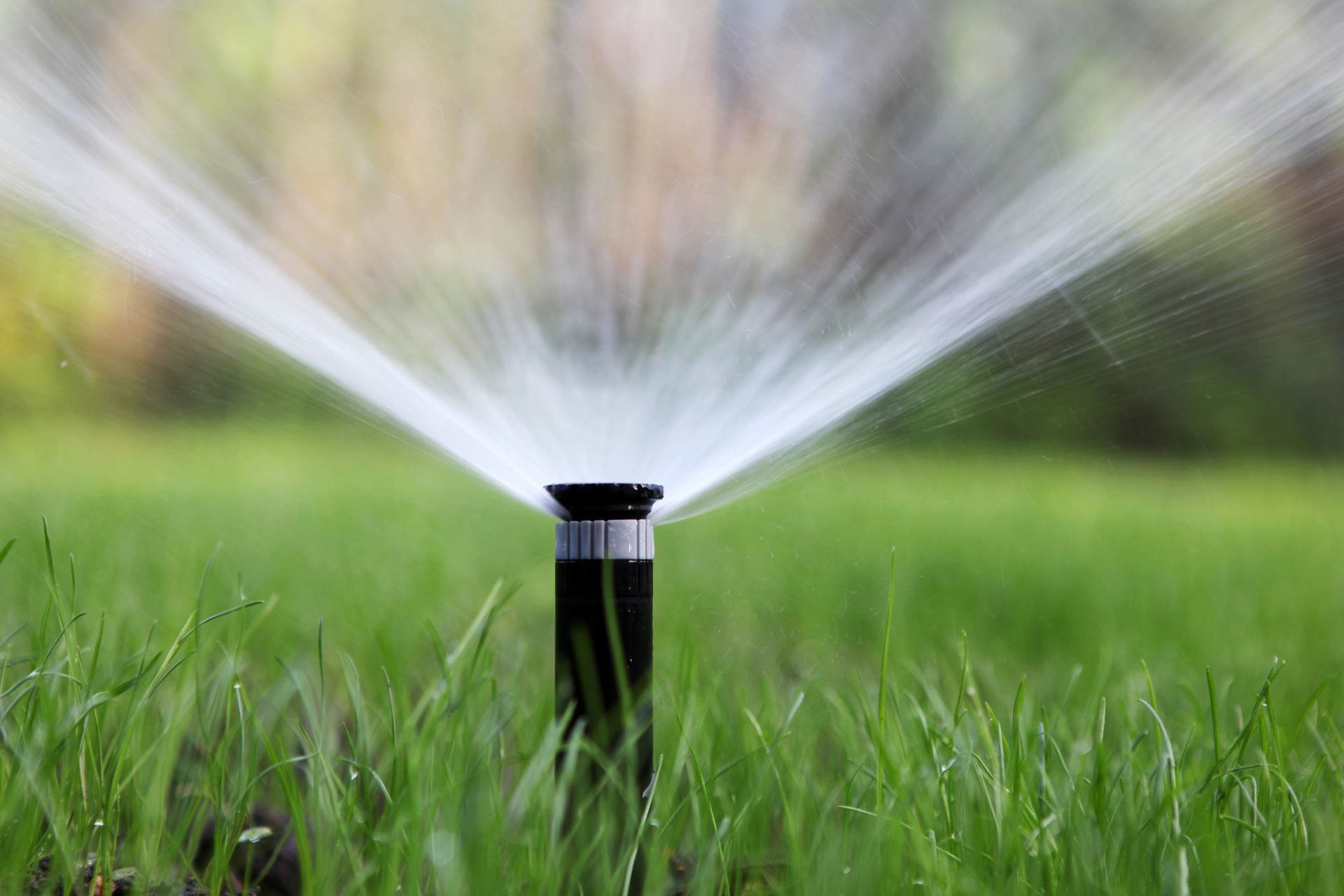
Mitchell Plumbing & Heating installs and services sprinkler systems for residential properties in Dartmouth where proper water distribution is essential for maintaining landscaping or meeting fire suppression requirements. You may notice brown spots in the lawn despite regular watering, sprinkler heads that do not pop up or rotate, or sections of the yard that stay soaked while others remain dry. These issues usually stem from clogged nozzles, damaged valve diaphragms, or pressure imbalances that prevent the system from delivering water evenly across all zones.
The work involves mapping your property to determine head placement, trenching supply lines, installing control valves for each zone, and connecting the system to your main water line with backflow prevention devices. In Dartmouth, where seasonal freezing can damage exposed components, the installation includes proper winterization ports and sloped piping to allow complete drainage before the first hard freeze. If you already have a sprinkler system, repairs address leaking joints, broken risers, malfunctioning timers, and pressure loss caused by partially closed valves or sediment buildup in the lines.
If your lawn shows uneven growth or your sprinkler system is not performing as expected, reach out to discuss a service visit or new installation tailored to your property layout.
How Sprinkler System Installation and Repair Work
When you schedule a sprinkler installation, the technician starts by measuring water pressure at the main line, calculating flow rates, and dividing the property into zones based on sun exposure, plant type, and slope. You will see the crew mark spray patterns with flags, dig trenches for lateral lines, install PVC piping with solvent-welded joints, and set heads at the correct height to avoid interference with mowing. Each zone receives a separate valve controlled by a programmable timer that adjusts run times for morning or evening watering.
After installation, your lawn will receive consistent water coverage without manual hose dragging, and you will notice healthier grass with fewer dry patches. Mitchell Plumbing & Heating tests each zone to confirm that spray patterns overlap correctly, adjusts heads to avoid watering driveways or sidewalks, and programs the timer to match seasonal watering needs. You will see the system activate automatically, and the turf will respond with more uniform color and growth.
For repairs, the process includes locating the problem zone, excavating damaged sections, replacing cracked fittings or worn valve seals, and flushing the lines to remove debris. The technician uses a pressure gauge to verify that all zones receive adequate flow and adjusts the backflow preventer to comply with local plumbing codes. The work does not include landscaping restoration beyond backfilling trenches and leveling disturbed soil.
Property owners in Dartmouth often want to know about system design, seasonal care, and troubleshooting common problems.
Questions Homeowners Ask About Sprinkler Systems
How many zones does a typical residential sprinkler system need?
Most homes require three to six zones depending on lot size, with separate zones for front and back yards, side strips, and areas with different sun exposure or plant water needs.
What causes low pressure in one sprinkler zone?
Low pressure usually results from a partially closed valve, a clogged filter screen, or a leak in the underground piping that diverts water before it reaches the heads.
When should a sprinkler system be winterized in Dartmouth?
Winterization should occur before the first hard freeze, typically in late October or early November, to prevent water from expanding inside pipes and cracking fittings or valve bodies.
Why do some sprinkler heads spray unevenly or in the wrong direction?
Uneven spray patterns occur when nozzles become clogged with dirt, heads settle below grade, or internal components wear out and fail to rotate or retract properly.
What is a backflow preventer and why is it required?
A backflow preventer stops irrigation water from flowing backward into the potable water supply, which is required by local codes to protect drinking water from contamination.
If your sprinkler system needs repair or you are planning a new installation, contact Mitchell Plumbing & Heating to schedule an evaluation and receive recommendations based on your property's water pressure, layout, and coverage needs.