
Restore Power When Outages Strike
Generator Installation in Dartmouth for homes and businesses preparing for storm-related power loss
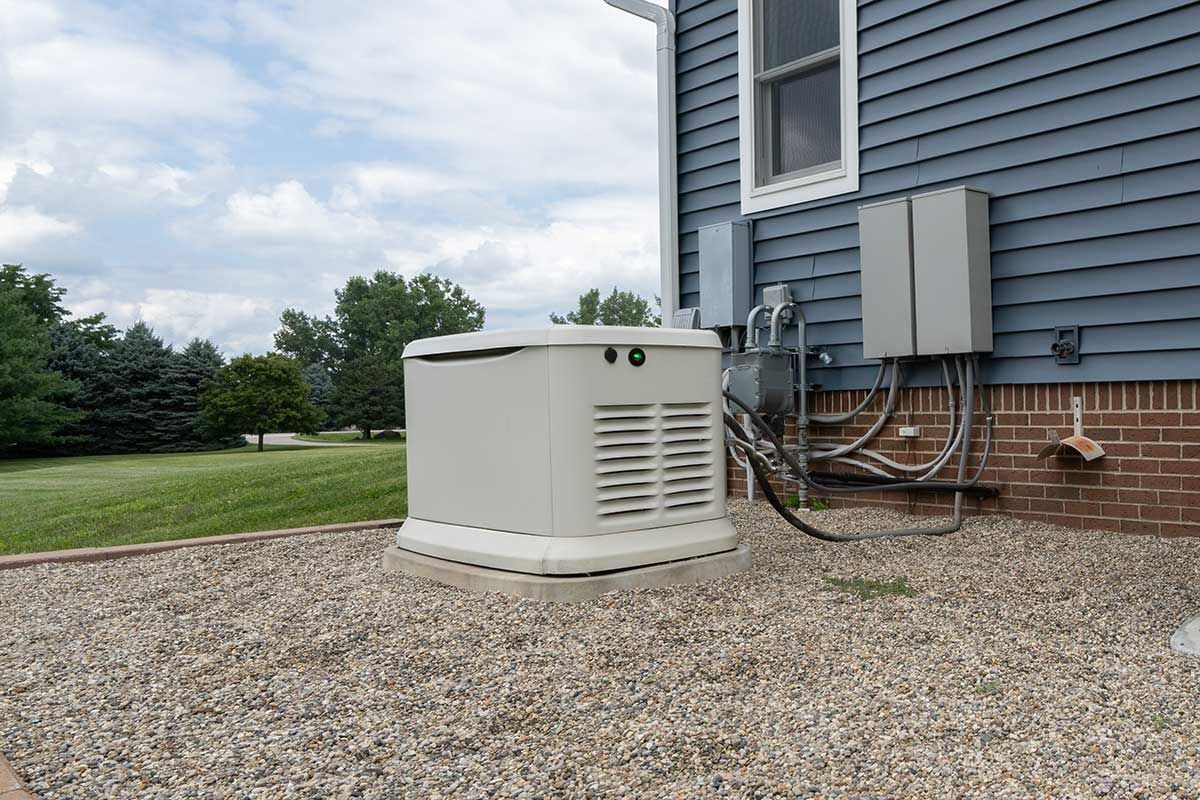
Mitchell Plumbing & Heating installs standby generators for residential and commercial properties in Dartmouth where power outages during winter storms or summer weather events can disrupt heating, refrigeration, and essential systems. You might face several hours without electricity after high winds knock down lines, or experience extended outages that leave your home without heat, hot water, or the ability to run medical equipment. A standby generator connects directly to your electrical panel and natural gas or propane supply, starting automatically within seconds of detecting a power loss and shutting off when utility power returns.
The installation process involves selecting a generator sized to handle your critical loads, positioning the unit on a concrete pad with adequate clearance for ventilation and service access, running a gas line from your meter or tank, and wiring a transfer switch that isolates your home from the grid during operation. In Dartmouth, where coastal weather patterns can bring heavy snow, ice, and high winds, a properly installed generator provides uninterrupted power for heating systems, sump pumps, refrigerators, and lighting without requiring you to start the unit manually or refuel it.
If you want to avoid the disruption and risk that come with extended power loss, reach out to discuss generator sizing and installation options for your property.
What Generator Installation Involves
When you schedule a generator installation, the technician begins by calculating your home's electrical load, identifying which circuits you want powered during an outage, and recommending a generator with enough capacity to start motors and handle peak demand. You will see the crew pour a level concrete pad, set the generator in place, connect it to a new or existing gas line using black iron pipe and approved fittings, and install an automatic transfer switch in or near your electrical panel. The transfer switch monitors incoming utility power and signals the generator to start when voltage drops.
After installation, your home will maintain heat, lighting, and refrigeration during an outage without any action on your part. Mitchell Plumbing & Heating tests the generator under load, simulates a power failure to confirm automatic startup, and verifies that all gas connections are leak-free using electronic detection equipment. You will hear the generator run during the test cycle, and you will notice that your home stays comfortable and functional even when the neighborhood goes dark.
The work includes obtaining necessary permits, coordinating inspections, and programming the transfer switch to prioritize essential circuits. The installation does not include upgrades to your main electrical panel unless required by code, and it does not cover propane tank installation if you choose liquid fuel over natural gas.
Homeowners and business owners in Dartmouth often ask about fuel types, sizing, and what to expect during and after installation.
Common Questions About Generator Installation
How is a standby generator sized for a home?
Sizing depends on the wattage required to run heating equipment, well pumps, refrigerators, and other critical loads, with additional capacity to handle motor startup surges that can be three times the running wattage.
What is the difference between natural gas and propane for generator fuel?
Natural gas connects directly to your utility meter and provides unlimited runtime, while propane requires a tank that must be refilled but works in areas without natural gas service.
How long does generator installation take?
Most residential installations are completed in one to two days, depending on the complexity of the gas line run, the distance to the electrical panel, and whether the transfer switch requires panel modifications.
Why is a transfer switch necessary for standby generators in Dartmouth?
A transfer switch prevents backfeeding electricity into utility lines, which protects line workers and prevents damage to the generator when grid power returns.
What maintenance does a standby generator require?
Standby generators need periodic oil changes, filter replacements, and exercise cycles to keep internal components lubricated and ready to start under load.
If you are ready to install a standby generator or want to review your options based on your fuel availability and electrical needs, contact Mitchell Plumbing & Heating to schedule a site evaluation and receive a recommendation tailored to your property.